

This is a practical, self-paced workshop.
For people who keep things in and deal with it later.
It's not therapy or crisis support.
It's tools to speak earlier and feel lighter.

Couldn't load pickup availability
- 30 day money back guarantee
- Self paced and all on-line
- Workshop support provided

Your mind doesn’t switch off.
Things builds up, and come out unexpectedly. You’re tired of carrying it all on your own.
Most people don’t ignore their mental health, they delay it.
Not because they don’t care. But because they don’t know what to do with it yet.
So it shows up as:
- Snapping at people you love.
- Pulling away instead of explaining.
- Replaying the same thoughts all day (and night)
- And telling yourself you’ll deal with it later, knowing you won't.
The longer it’s delayed, the harder it gets to untangle.
- You bottle feelings.
- You feel isolated and alone.
- “I should do something” becomes a false promise.
- You feel heavier and heavier.
That's the cycle this workshop is designed to catch earlier, not later.
Get the tools, start the workshop
- 30 day money back guarantee
- Self paced and all on-line
- Workshop support provided
-
This is for you if:
- You lie awake replaying conversations or moments you wish you handled differently
- You snap, shut down, or withdraw then feel guilty afterwards
- You’re usually the “strong one” for others, but feel worn down behind the scenes
- You know something’s off, but don’t know how to put it into words
-
What changes when you have the right tools:
- You notice earlier when something’s building
- You know what to say and who to say it to
- You stop carrying everything alone
- You respond instead of reacting
This workshop isn’t about talking more. It’s about knowing how to talk and when.
-
It teaches you how to:
- Recognise early signals instead of ignoring them
- Understand what you’re actually feeling
- Put thoughts it into clear, usable language
- And ask for support before things get heavy
It equips you with practical skills you can actually use when this stuff shows up.
Because awareness alone doesn’t stop things from building. Skills do. -
This workshop is:
- A skill-based workshop
- Built for people who function well
- Practical, modern, and non-clinical
It’s for people who function well, but don’t want to keep carrying everything quietly.This workshop isn't:
- Therapy
- Crisis support
- About checking in with mates
-

You’re not avoiding your mental health, you’re delaying it.
Most people are trying. They exercise. They stay busy. They pretend things are fine and keep their head in the sand.
But when things keep getting pushed down, the cost isn’t just internal.
It shows up as:- Being shorter with people around you
- Choosing silence over connection because it feels easier
- Avoiding conversations that could actually make things better
- Feeling less like yourself over time
- Losing patience with people you care about, and feeling worse afterward
Nothing explodes. It just slowly becomes your normal.
-

From Awareness to Action
In Australia, we have some incredible mental health awareness campaigns.
But many of them stop at awareness.
This workshop is about what comes next: action.Instead of waiting for:
- The right person
- The right timing
- The right question
You learn how to:- Recognise what’s building
- Put it into clear, usable words
- And act earlier, before things become overwhelming
That shift from coping to capability is what changes everything.
People don’t wish they had better tools later.
They wish they had them sooner.
So instead of coping and hoping things improve, you build the skills to turn awareness into action, when it actually matters.


- 30 day money back guarantee
- Self paced and all on-line
- Workshop support provided
Patterns repeat. These tools interrupt them.
View full detailsWhich way are you living in right now?
-
The Old Way
- Waiting until things feel serious enough
- Replaying it at 2am instead of dealing with it at 2pm
- Snapping, withdrawing, or shutting down
- Feeling guilty for reactions you didn’t want
- Hoping things will change eventually
-
The New Way
- Catching things earlier
- Understanding what you’re feeling as it’s happening
- Saying something before resentment builds
- Having conversations that matter
- Feeling the weight off your shoulders
Silence doesn’t make things go away. It just delays the weight.
Don't let months go by with the same mental patterns. Relationships fray. Patience thins. Everyday moments feel heavier.
-

The tools you’ll use
This workshop is built around practical ready to use frameworks, not theory.
Here's some of the tools you’ll learn:
The Mental Health Pain Scale
Stop minimising your own struggles or thinking “someone else has it worse.” This tool helps you recognise that big or small, your experiences matter, so you stop pushing through things that deserve attention.The Timeline Tool
Catch thoughts before they spiral. This tool breaks rumination loops and helps you recognise when it’s time to talk, so worries don’t take over your day (or your sleep).The Feels Wheel + emotional regulation tools
Calm things down in the moment instead of reacting later. These tools help you move from “I don’t know what’s wrong” to clear, usable language without overthinking or bottling it up.The SPF Framework (Start + Prompt + Frame)
Start conversations without freezing, oversharing, or going blank. This framework helps you guide conversations so they don’t get hijacked, fixed, or turned into unwanted advice.Your Conversation Crew
Figure out who to talk to and who not to. This helps you identify the people around you who can actually meet your needs, without judgment, shame, or pressure. Just someone to sit in it with you. -

How it works?
Simple by design, so you can use it ASAP.
- Self-paced online workshop
- Short, focused modules
- Privacy maintained
- 12 weeks access to build momentum and use the tools
A typical rhythm:
Watch one module → try one tool → notice one shift
You don’t need to overhaul your life. You just need a better way to work with what’s already there.
What this looks like in practice:- Short modules (3 - 8 minutes)
- No forced sharing
- No journaling (unless you want to)
- Simple, private check-ins so things stick
Plus you get access to workshop support along the way.
This is about using skills not collecting more information.


How the workshop and tools fit together
Confidence — Building the foundation
Inside this section you’ll learn how to:
- Understand what’s actually going on in your head
- Stop minimising or pushing through early signals
- Recognise that struggling is normal, not a personal failure
- Build confidence to work on your mental health without needing a crisis
Conversations — Practical tools that reduce pressure
You’ll get tools to:
- Name emotions before they turn into reactions
- Stop rumination loops using simple time-based check-ins
- Know who to talk to and who not to
- Start conversations naturally, without freezing or oversharing
Clarity — What comes after talking things through
This section helps you:
- Feel the relief that comes after the right conversation
- Make sense of what’s shifted
- Choose one or two tools to practice before choosing the next
- Build a simple maintenance plan that fits real life
Built from real-world experience
This workshop is grounded in:
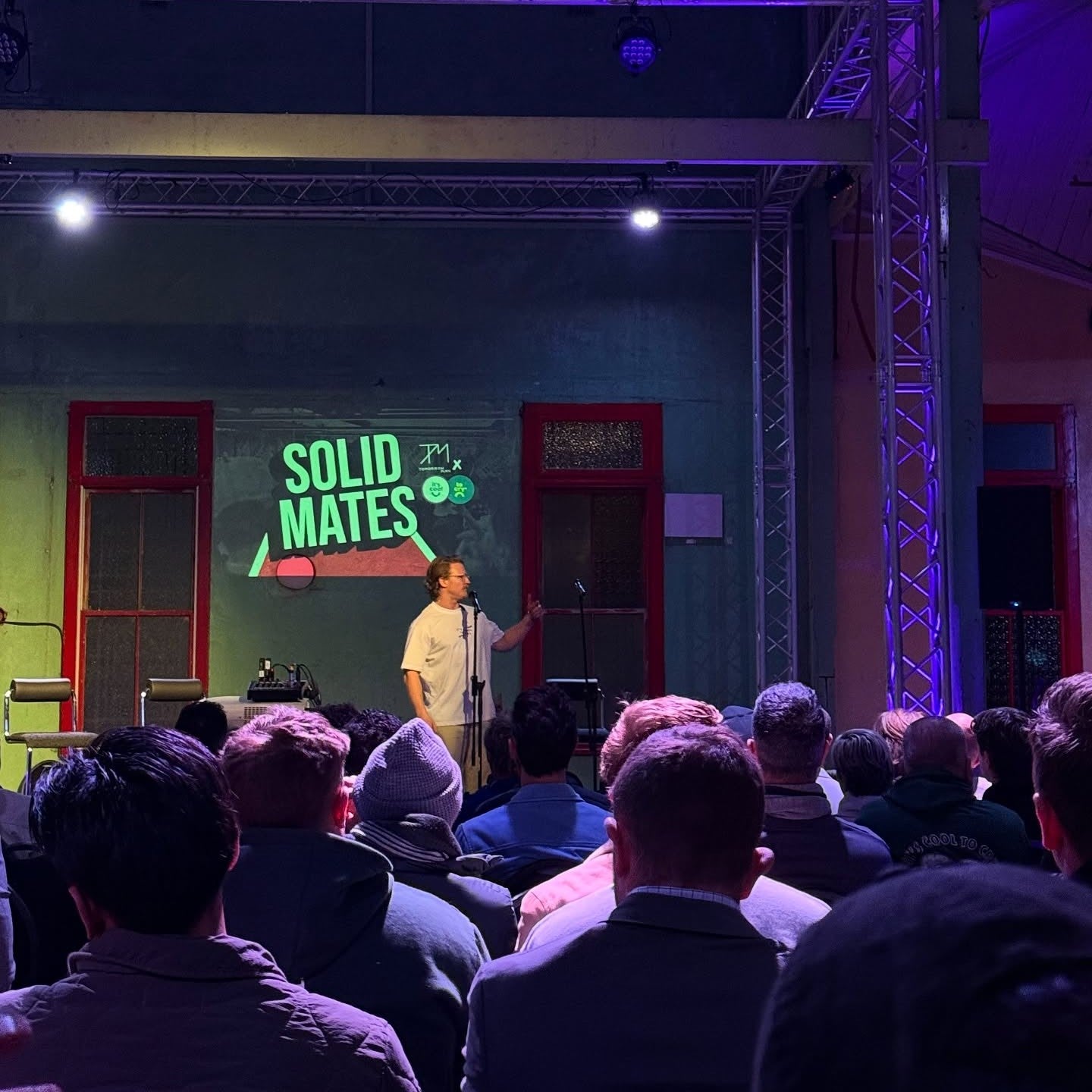
- Years of face-to-face workshops delivered across schools, councils, and some of Australia’s biggest businesses including: oOh! Media, Bunnings, Lindsay Australia, and Johns Lyng Group
- Feedback from thousands of participants, with 98% saying mental health felt normal and 99% saying they left with practical tools to have real conversations
- Content reviewed by psychologists to make sure it’s safe and responsible
This isn’t theory. It’s a distilled and modern skillset built from real conversations.
-
Try it out properly. No pressure
Join the workshop and explore it for up to 30 days risk free.
If you don’t feel more equipped to have mental health conversations after 30 days, we’ll refund you.
No questions.
No explanations required.
No pressure to push through. -
Start earlier, not later
You don’t need a crisis to take your mental health seriously.
If you want:- Fewer late-night spirals
- Less emotional spillover
- Clearer conversations
- And a better way to ask for support
This workshop gives you the tools to do that earlier.
- 30 day money back guarantee
- Self paced and all on-line
- Workshop support provided
You don’t need a crisis. You don’t need to wait for things to get worse. You just need a different approach.
View full detailsAs heard on


FAQs
How does it work?
Once payment has been made, you'll get an email from me. This will include easy to follow instructions on how to create your login details for the workshop.
Once you have that, you can begin making your way through the workshop videos and check-in exercises.
What's included?
12 weeks access to workshop content
- Workshop is 14 modules
- Each module includes a video and check-in
- Module check ins are anonymous*
12 weeks access to community
- This is where you can ask questions about the workshop
- Access outside support if required
- Engage with other community members
Lifetime access to workshop is available.
*The first and last check-ins require email so your mental health maintenance plan and workshop insights can be delivered.
How many modules are there?
There are 14 modules.
I'm worried about privacy?
You don't have to use profile pictures or full names when creating your profile.
What is the community?
You'll get access to the It's Cool To Cry Workshop Community. You can ask questions about the workshop and bounce ideas around!
How long are the videos in each module?
Videos range from 3 to 8 minutes
Want lifetime access?
Just click here to add to cart
What if it's not for me?
Join the workshop and explore it for up to 30 days risk free. If you don’t feel more equipped to have mental health conversations after 30 days, I’ll refund you. No questions. No explanations required. No pressure to push through.
Is this workshop therapy?
It isn't therapy or crisis support.
It doesn't diagnose, treat, or replace professional mental health care.
This workshop is educational and preventative-focused in nature.
It is designed to build awareness, confidence, and practical conversation skills around mental health.
Still not sure?
Let's have a chat! You can line up a 15 min video call with me using this link
Why does this workshop exist?
In my mid-20s, I lost my girlfriend, Elle, to suicide.
She was smart, supported, and outwardly “fine” until she wasn’t.
After she died, I did what many of us do. I shut down the sadness, told myself to get on with it, and stopped talking about how I felt.
For years, that unspoken grief showed up sideways as anger, short temper, and emotional distance.
It wasn’t until I learned how to understand my emotions and speak about them earlier that things started to change not perfectly, but sustainably.
This workshop exists because mental health struggles are normal, silence is common, and most of us were never taught the skills to deal with things before they become overwhelming.
You’re not broken. You were just never given the tools.